Key takeaways
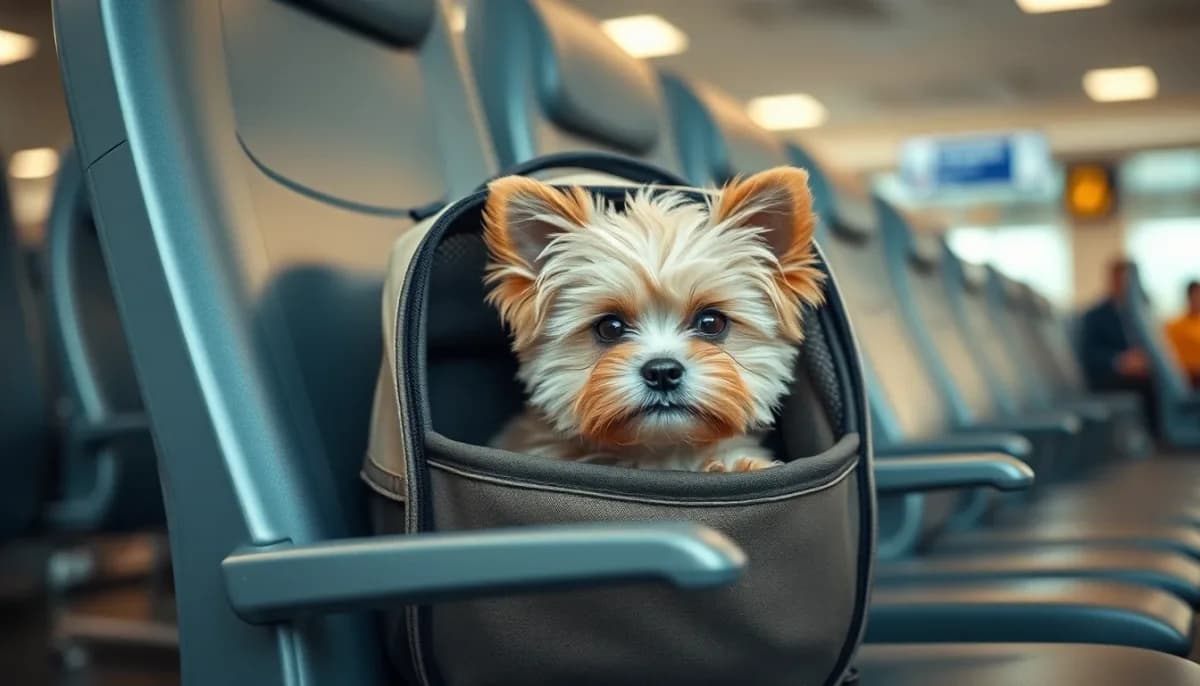
- Most US airlines allow small dogs in the cabin if they fit in an airline-approved soft-sided carrier under the seat in front of you.
- You'll need a valid veterinary health certificate dated within 10 days of travel for most airlines, plus proof of rabies vaccination.
- Book your dog's spot before you book your own seat — airlines cap the number of in-cabin pets per flight.
- Acclimate your dog to the carrier weeks ahead of time so the flight feels familiar, not frightening.
- Budget an extra $95–$150 each way for the pet cabin fee (varies by airline).
Flying with a small dog in the cabin is absolutely doable — but only if you've checked every box on the checklist well before departure day. This guide walks you through every step: airline requirements, the documents you need, carrier specs, airport navigation, and how to keep your pup calm from takeoff to landing.
What are the basic small dog airline requirements?
Before anything else, confirm your dog actually qualifies for cabin travel. Airlines follow their own policies (not a single federal standard), but common rules are consistent across most major carriers:
- Weight limit: Your dog plus the carrier typically must weigh 20 lbs or under combined. Some airlines set the limit at 25 lbs; a few are stricter at 15 lbs. Check your specific airline's pet policy page.
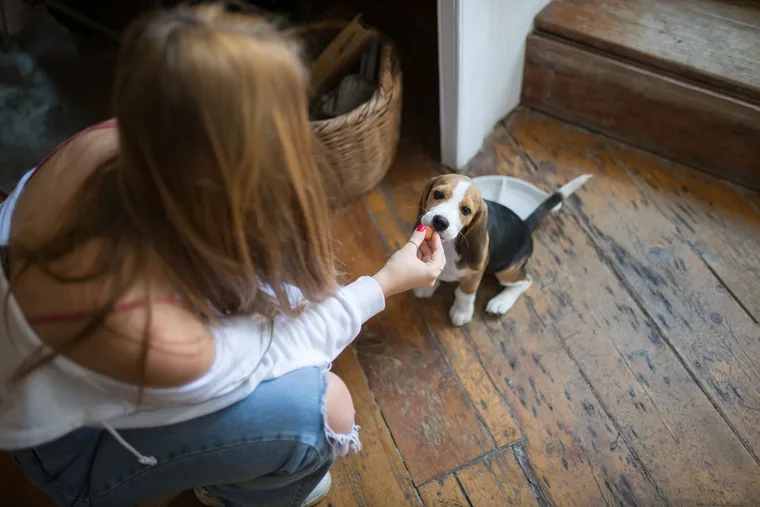
- Age minimum: Most airlines require puppies to be at least 8–10 weeks old and fully weaned.
- Breed restrictions: Brachycephalic (short-nosed) breeds like Pugs, French Bulldogs, and Shih Tzus face additional scrutiny or outright bans on some carriers due to breathing risks at altitude. Confirm before booking.
- Number of pets per cabin: Airlines typically allow 4–6 pets total per flight. Reserve your pet's spot the moment you book your own ticket.
- One pet per passenger: Most carriers allow only one pet carrier per ticketed adult.
Vet note: If your dog has any respiratory, cardiac, or anxiety-related condition, talk to your veterinarian before flying. Altitude and stress can exacerbate underlying health issues.
What documents do you need to fly with a dog?
Getting the paperwork wrong is the most common reason travelers are turned away at the gate. Here's what to gather:
| Document | Details | Timing |
|---|---|---|
| Veterinary health certificate | USDA-accredited vet exam confirming dog is healthy to fly | Issued within 10 days of outbound travel |
| Rabies vaccination record | Proof of current rabies vaccination | Must be current; bring the original certificate |
| Airline pet reservation confirmation | Email or booking number showing you paid the pet fee | Book simultaneously with your ticket |
| Microchip records (recommended) | ISO-standard microchip ID linked to your contact info | Register/update before travel |
| Interstate health certificate (if required) | Some destination states require a USDA-endorsed CVI | Check destination state's department of agriculture |
Domestic flights generally only require the health certificate and vaccination records. International flights — even to Canada or Mexico — require USDA-endorsed documentation and may require additional vaccinations or treatments. Check USDA APHIS and the destination country's requirements at least 30 days out.
What are the airline-approved pet carrier dimensions?
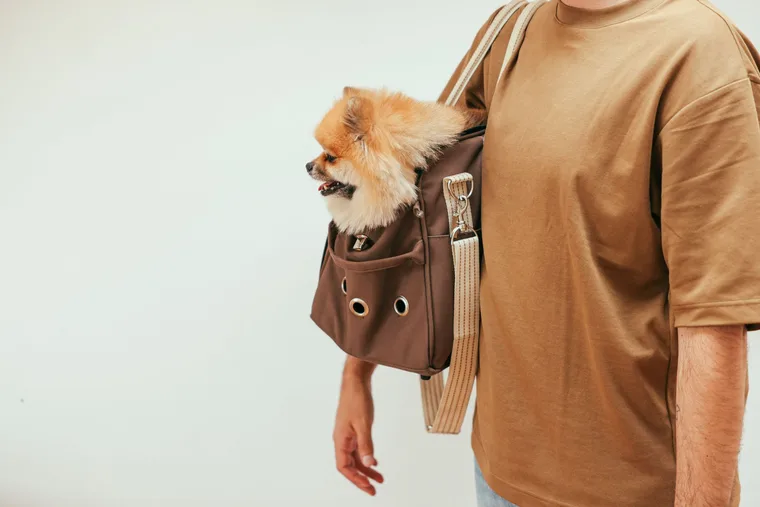
Your carrier must fit under the seat in front of you. Seat-well dimensions vary by aircraft, so check both the airline's stated maximums AND the specific plane you're flying (visible on your booking details).
Typical soft-sided carrier size limits (most US airlines):
- United: 17.5" L × 12" W × 7.5" H
- Delta: 18" L × 11" W × 11" H (soft-sided)
- American: 19" L × 13" W × 9" H
- Southwest: 18.5" L × 8.5" W × 13.5" H
Always verify on the airline's current pet policy page — these specs change.
Why soft-sided carriers? A soft-sided carrier compresses slightly to fit snugly under the seat, which hard-sided carriers can't do. Look for carriers with:
- Mesh ventilation panels on at least two sides
- A flat, waterproof bottom pad
- Secure zipper locks your dog can't nose open
- An exterior pocket for documents and a collapsible bowl
- Top and side entry (side entry is useful during security)
If your dog isn't already comfortable in a carrier, start acclimating them weeks ahead. Our guide on crate training fundamentals applies directly to carrier training — the same positive-association techniques work beautifully.
How do you prepare your dog for their first flight?
Preparation is the difference between a calm, sleeping dog and a stressed, vocal one that makes everyone's flight miserable.
4–6 weeks before the flight:
- Introduce the carrier as a cozy den. Leave it open in your living space with a familiar blanket and a worn T-shirt that smells like you.
- Feed meals inside the carrier. Practice short zip-ups so your dog doesn't panic when the carrier closes.
- Take short car rides with your dog in the carrier to simulate motion and containment.
1 week before:
- Visit your vet for the health certificate exam. Discuss anti-anxiety options if your dog is prone to severe stress. Never give your dog a sedative without explicit veterinary guidance — sedation at altitude can cause dangerous respiratory and cardiovascular issues.
- Confirm all documents are in order.
Night before:
- Pack the carrier bag: collapsible water bowl, small portion of familiar food (avoid feeding a full meal right before — nausea is real), puppy pads, a few small treats, and one or two comfort items (a favorite toy or your worn sock).
- Limit food 4 hours before departure to reduce the chance of motion sickness.
Day of the flight:
- Give your dog a solid 30–45 minute walk or play session before leaving for the airport. A tired dog is a calm dog.
- Arrive at the airport with extra time — checking in with a pet requires a brief agent inspection at most airlines.
What should you expect at airport security and TSA checkpoints?
TSA requires you to remove your dog from the carrier and carry them through the metal detector in your arms while the empty carrier goes through the X-ray machine on the belt. Practice holding your dog calmly outside of the carrier at home.
TSA tips:
- Wear shoes that slip off easily since both hands will be occupied with your dog.
- Leash your dog before unzipping the carrier at the checkpoint — never leave them unleashed in a busy airport.
- Have your boarding pass and ID accessible before you reach the front of the line.
Pet relief areas: Most major US airports now have designated pet relief areas, both pre-security (curb side) and post-security (inside the terminal). Search your departure airport's website or the app "Airport Pets" to find exact locations. Give your dog a final bathroom break as close to boarding as possible.
What does it cost to fly with a small dog in the cabin?
Flying with a small dog is not free. Here's what to budget:
| Expense | Typical cost |
|---|---|
| Airline pet cabin fee (each way) | $95–$150 |
| Veterinary health certificate exam | $50–$150 |
| USDA endorsement (international) | $38+ |
| Airline-approved carrier (if needed) | $40–$120 |
| Round-trip total (domestic estimate) | $280–$570+ |
Some travel credit cards cover pet fees as a travel expense — worth checking your benefits.
What about flying with an emotional support dog? Since 2021, the DOT no longer requires airlines to accommodate emotional support animals as service animals. Airlines now treat ESAs the same as regular pets — meaning they must meet all size and carrier requirements and you'll pay the standard pet fee. Only individually trained psychiatric service dogs retain special accommodation rights under DOT rules.
Your complete flying with small dog in cabin checklist
6+ weeks out
- Confirm your dog meets the airline's weight, age, and breed requirements
- Research and compare airline pet policies
- Purchase an airline-approved soft-sided carrier in the correct dimensions
- Begin carrier acclimation training
- Check destination state/country entry requirements
2–4 weeks out
- Book your flight AND reserve your pet's spot simultaneously
- Pay the pet cabin fee (get confirmation in writing)
- Update microchip registration to your current contact info
- Schedule vet appointment for health certificate (time it within 10 days of travel)
1 week out
- Obtain veterinary health certificate
- Confirm rabies and other vaccination records are current and accessible
- Locate pet relief areas at departure and layover airports
- Pack carrier bag (pads, treats, comfort item, collapsible bowl)
Day of travel
- 30–45 min pre-airport exercise
- Withhold food 4 hours before flight (water is fine until departure)
- Final potty break before entering the terminal
- Leash dog before TSA carrier removal
- Stow carrier under the seat — not in the overhead bin
- Keep dog calm with quiet praise and familiar scent item during flight
Frequently Asked Questions
Can my small dog sit on my lap during the flight?
No. FAA regulations and virtually all airline policies require your dog to remain inside the closed carrier and stowed under the seat in front of you for the duration of the flight, including during takeoff and landing. Taking your dog out of the carrier mid-flight violates the pet policy and can result in fines.
Does my dog need a health certificate for every flight?
For domestic travel, most airlines require a health certificate issued within 10 days of the outbound travel date. If you're returning more than 10 days later, you'll need a second certificate for the return trip. Some airlines (like Southwest) don't require a health certificate for domestic flights — always check your carrier's specific pet policy.
What if my dog barks or whines on the plane?
Prepare by thoroughly acclimating your dog to the carrier beforehand. During the flight, stay calm yourself (dogs mirror your energy), offer a small treat, and place a familiar-smelling item inside the carrier. Avoid opening the carrier to soothe them, as this rewards the behavior. If you're worried about anxiety, discuss calming supplements or other options with your vet well before travel.
Can I bring dog food and water through TSA?
Dry kibble is not subject to TSA's liquids rule. Water and wet food fall under the 3.4 oz liquids rule if in your carry-on, so pack a small bottle of water to fill post-security, or purchase water once you're through. Most airports have water bottle filling stations after security.
How do I find pet relief areas inside the airport?
Search the airport's official website before your trip — most post terminal maps showing indoor pet relief rooms. Major hubs like LAX, ORD, JFK, and ATL have post-security pet relief areas. The free app "GateGuru" and the website bringfido.com also catalog pet-friendly airport amenities.
Is it safe to fly with a brachycephalic (short-nosed) dog?
This is a genuine veterinary concern. Short-nosed breeds like Bulldogs, Pugs, Boston Terriers, and Cavalier King Charles Spaniels can experience respiratory distress at altitude due to their anatomy. Many airlines have banned certain brachycephalic breeds from cargo but allow them in the cabin with restrictions. Always consult your vet and check your airline's breed restriction list before booking.