Key takeaways
- Dog car sickness is caused by motion disrupting the inner ear, stress, or both — and natural remedies can tackle either root cause.
- Ginger, calming supplements, and pheromone sprays are among the most effective natural interventions.
- Gradual desensitization and counter-conditioning can permanently reduce or eliminate car anxiety in most dogs.
- Simple management changes — cracked windows, forward-facing positioning, and an empty stomach — make an immediate difference.
- Always consult your vet before starting any supplement regimen, especially for puppies or dogs with health conditions.
The most effective way to stop dog car sickness naturally is to combine short, positive exposure sessions with practical management strategies like proper positioning, fresh air, and natural calming aids like ginger. For many dogs, especially puppies, consistent training alone is enough to resolve the problem entirely.
Why does my dog get car sick and throw up?
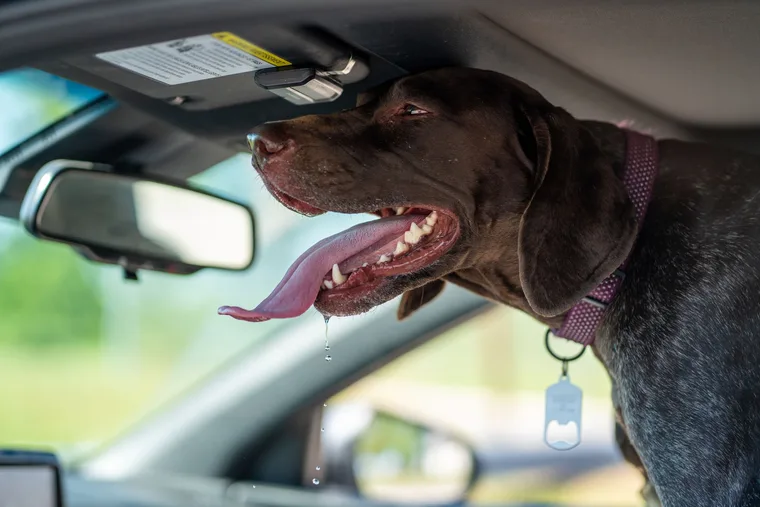
Dog motion sickness works much the same way it does in humans. The inner ear detects movement, but when the eyes aren't seeing matching motion cues — especially for a dog staring at a seat-back — the brain receives conflicting signals. That sensory mismatch triggers nausea.
Puppies are especially prone because the inner ear structures that govern balance aren't fully developed yet. The good news: many puppies simply grow out of car sickness as they mature.
Anxiety is the second major culprit. If your dog has had unpleasant car experiences — a vet visit that went badly, a bumpy highway ride — they can develop a conditioned fear response. Signs of anxiety-driven car sickness include:
- Yawning, lip-licking, or whining before the car even moves
- Drooling excessively
- Trembling or panting
- Vomiting shortly after getting in (sometimes before the car starts)
Understanding which cause is driving your dog's symptoms helps you pick the right natural strategy.
What are the best natural remedies for dog motion sickness?

Several well-established natural options can reduce nausea and calm a car-sick dog without prescription medication.
Ginger
Ginger is arguably the most researched natural anti-nausea remedy for both humans and dogs. It contains compounds called gingerols and shogaols that calm stomach contractions and reduce the urge to vomit. You can offer a small amount of plain ginger — about ¼ teaspoon of ground ginger mixed into a treat for a medium-sized dog — roughly 30 minutes before travel.
Vet note: Always check with your veterinarian about the right ginger dosage for your dog's size and age before using it regularly. Avoid ginger snaps or ginger ale, which contain sugar and other additives.
Calming supplements
Several over-the-counter calming supplements are commonly used as dog car sickness medication alternatives:
- L-theanine — an amino acid found in green tea that promotes calm without sedation
- Melatonin — may ease anxiety-related nausea in some dogs; dosage is weight-dependent
- Valerian root — a traditional herbal relaxant sometimes included in calming chews
- CBD treats — growing in popularity, though research in dogs is still emerging; choose products with a certificate of analysis
The best calming treats for car rides typically combine several of these ingredients. Look for products specifically formulated for dogs and verify they don't contain xylitol.
Pheromone spray
Synthetic dog-appeasing pheromone (DAP) products like Adaptil mimic the calming pheromones a mother dog produces for her puppies. Spraying it on your dog's travel blanket or in the car 15 minutes before departure can noticeably reduce anxiety-driven symptoms. It's non-sedating and safe for all ages.
Lavender aromatherapy
A small amount of diluted lavender essential oil on a bandana (not on skin) has a calming effect for some dogs. Keep it subtle — dog noses are far more sensitive than ours.
How do I desensitize my dog to car rides?
Desensitization paired with counter-conditioning is the most powerful long-term solution for dogs whose car sickness is rooted in anxiety. The goal is to systematically replace fear with positive associations.
Step 1 — Stationary car sessions (Days 1–3) Let your dog approach and explore the parked, engine-off car on their own terms. Reward every sniff and step inside with high-value treats and calm praise. Keep sessions to 5 minutes.
Step 2 — Engine on, no movement (Days 4–6) Sit with your dog in the car while it idles. Offer treats, play a favorite game, or give a long-lasting chew. The engine noise alone can be stressful for some dogs.
Step 3 — Ultra-short trips (Week 2) Drive literally to the end of the driveway and back. Return inside immediately and reward. Gradually extend to a one-block loop, then a five-minute drive to somewhere fun — a park, a favorite trail.
Step 4 — Build positive destinations For many dogs, the car only means the vet. Change that association by making car rides end somewhere exciting at least 70–80% of the time.
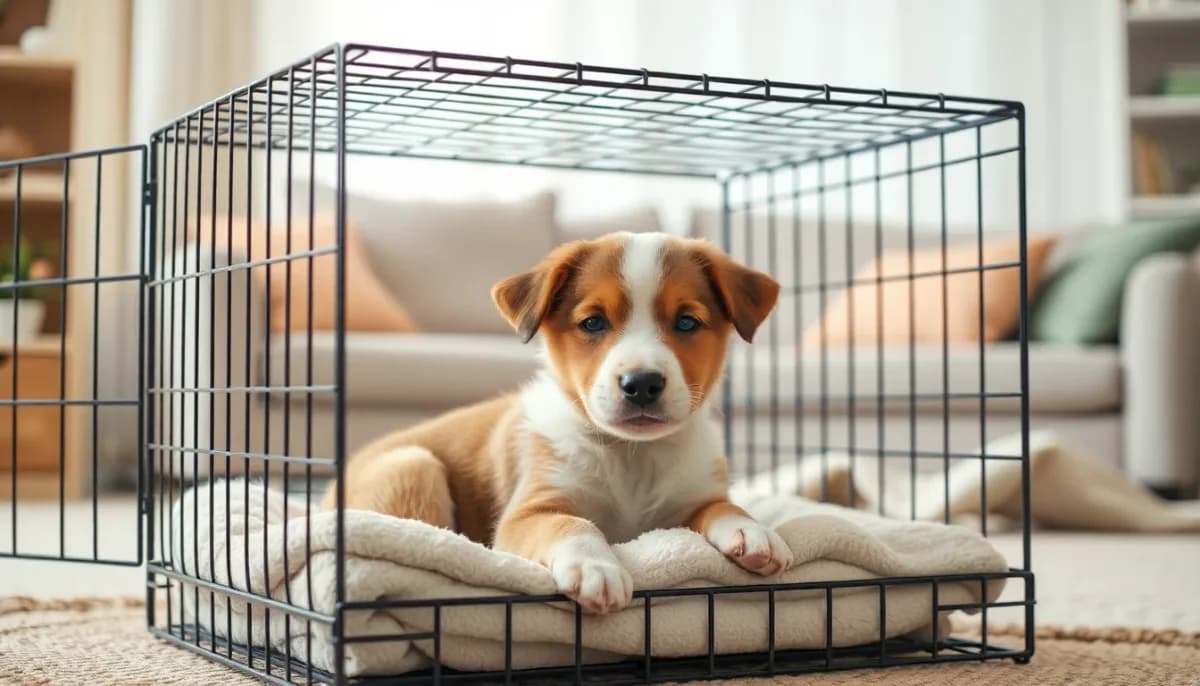
Consistency matters more than speed. Rushing through steps resets progress. This approach is similar to how you'd gradually build comfort in any new environment — much like the patience required when you crate train a puppy.
What management changes make an immediate difference?
Even before training kicks in, these practical adjustments can reduce symptoms right away:
| Adjustment | Why it helps |
|---|---|
| Don't feed 2–3 hours before travel | An empty stomach reduces vomiting risk |
| Crack a window 1–2 inches | Equalizes air pressure and provides fresh scent cues |
| Position dog facing forward | Reduces visual-vestibular mismatch |
| Use a snug travel harness or crate | Limits excessive movement that worsens nausea |
| Keep the car cool | Heat amplifies nausea; aim for 65–68°F |
| Bring a familiar blanket or toy | Comfort items lower baseline anxiety |
| Take frequent breaks on long drives | Every 1–2 hours; let your dog sniff and stretch |
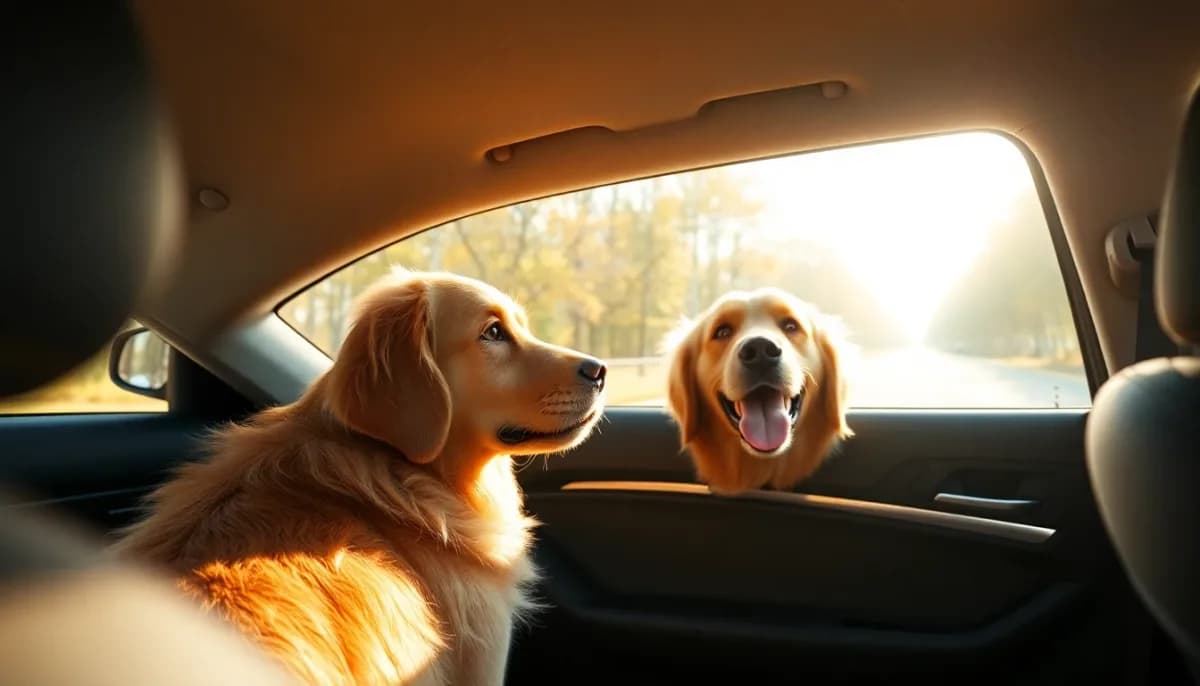
Facing your dog forward is especially impactful. Dogs confined in the back seat often stare at a stationary headrest while their body rocks — exactly the mismatch that triggers nausea. A booster seat or crate positioned so the dog looks out the front window can make a significant difference.
How do I make car rides fun for dogs?
The mindset shift here is crucial: you want your dog to want to get in the car. Here's how to build genuine enthusiasm:
- Reserve special treats exclusively for car rides — something your dog doesn't get anywhere else
- Keep a designated "car toy" that only comes out during travel
- End most trips somewhere rewarding — a dog park, a sniff walk, a friend's yard
- Use a cheerful, upbeat voice when loading up; your emotional tone is contagious
- Never force or drag a reluctant dog — that sets back weeks of progress
Once your dog starts associating the car with adventure, the anxiety-driven component of nausea often resolves on its own. If you're planning a longer adventure, check out the best dog-friendly road trips in the USA for inspiration on destinations that make the journey worthwhile.
Are there specific remedies for puppy car sickness?
Puppy car sickness remedies lean heavily on patience and repetition rather than supplements, since many puppies have immature digestive systems sensitive to herbal products.
- Start desensitization as early as possible — 8 to 12 weeks is ideal
- Keep initial trips under 10 minutes
- Withhold food 2 hours before any car trip
- Use a secure, appropriately sized crate or harness
- Ginger in small amounts is generally considered safe for puppies over 12 weeks, but confirm with your vet first
Most puppies improve dramatically between 6 and 12 months as their vestibular system matures. Don't give up — consistency during puppyhood pays off for years of comfortable travel.
When should I see a vet about dog car sickness?
Natural remedies and training resolve the majority of car sickness cases, but veterinary input is valuable in several situations:
- Your dog vomits on every car trip regardless of home remedies
- Symptoms include bloody vomit, extreme lethargy, or loss of balance outside the car
- Your dog is losing weight due to travel-related stress
- Natural approaches haven't shown improvement after 4–6 weeks
- You have a very young puppy or a senior dog with other health conditions
A vet can rule out underlying vestibular disease, prescribe short-term prescription anti-nausea medication to "break the cycle" of anxiety, and advise on safe supplement dosing for your specific dog.
Safety reminder: Prescription medications like Cerenia (maropitant) are highly effective and sometimes the most humane option for severely affected dogs. Natural doesn't always mean better — work with your vet to find the right balance.
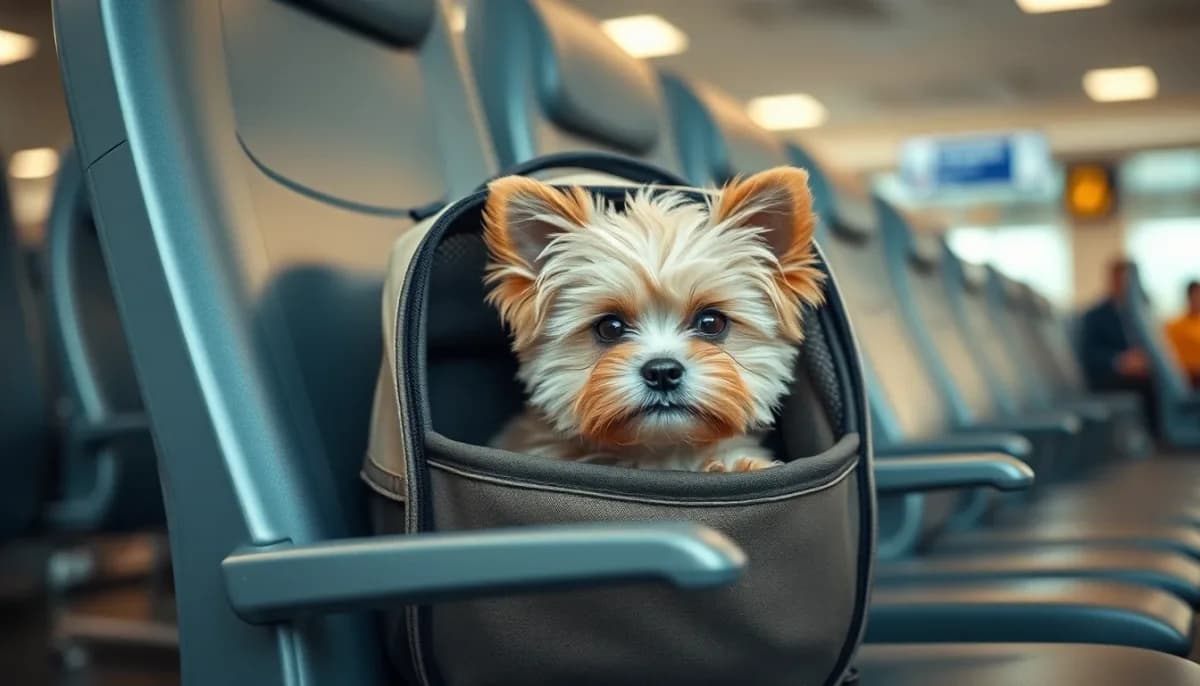
If you travel with your dog frequently — whether by car or otherwise — building a relationship with a travel-savvy vet is a smart investment. For air travel, see our complete guide to flying with your small dog in cabin.
Frequently Asked Questions
Does ginger really work for dog car sickness? Yes — ginger has genuine anti-nausea properties and is one of the most well-supported natural remedies for motion sickness in dogs. Offer a small amount (¼ teaspoon ground ginger for a medium dog) about 30 minutes before travel. Always check with your vet on dosage.
How long does it take to desensitize a dog to car rides? Most dogs show meaningful improvement within 2–4 weeks of consistent short, positive car sessions. Dogs with severe anxiety may take 6–8 weeks. Rushing the process typically backfires.
Should I withhold food before car trips? Yes. Keeping your dog's stomach empty for 2–3 hours before travel significantly reduces the risk of vomiting. Offer a small meal after the trip instead.
Can puppies take calming treats for car rides? Some calming treats are appropriate for puppies, but always verify the age minimum on the label and consult your vet first. Desensitization training is generally safer and more effective for puppies than supplements.
What is the best positioning for a car-sick dog? Facing forward and secured with a harness or in a forward-facing crate reduces the visual-vestibular mismatch that causes nausea. Avoid letting your dog pace around the back seat unsecured.
When do dogs grow out of car sickness? Many puppies naturally outgrow motion sickness by 12 months as their inner ear matures. For adult dogs, anxiety-driven car sickness rarely resolves on its own without training — but responds well to consistent desensitization.