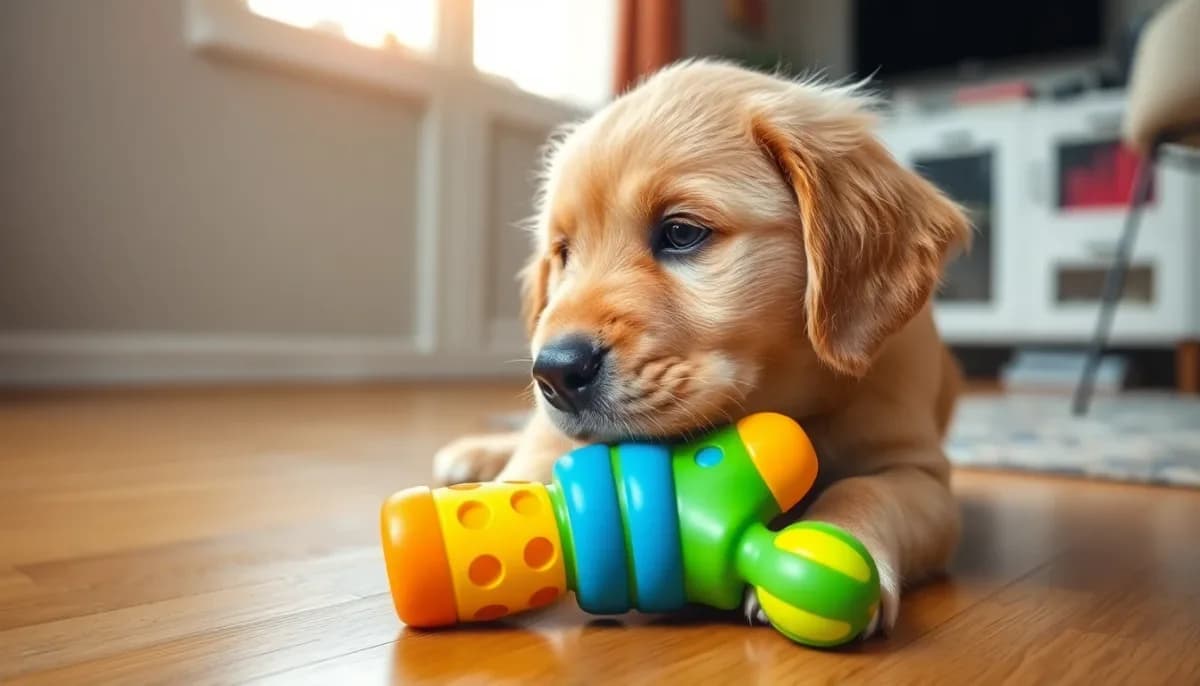
Key takeaways
- Puppies begin teething around 3–4 weeks old and finish replacing their 42 adult teeth by roughly 6–7 months of age.
- The right teething toys reduce chewing damage, ease gum pain, and build early dental hygiene habits that last a lifetime.
- Look for toys rated for your puppy's size and chewing strength — toys that are too hard can fracture fragile baby teeth.
- Frozen rubber toys, textured chews, and nylon chews (like KONG and Nylabone puppy lines) are among the safest, most effective options.
- Start a puppy dental care schedule as early as 8 weeks so brushing feels normal before the adult teeth arrive.
What are the best puppy teething toys for dental health?
The best puppy teething toys for dental health combine gentle gum stimulation, safe materials, and enough texture to scrub early plaque buildup. Top-rated choices include the KONG Puppy Toy (natural rubber, stuffable with frozen treats), Nylabone Puppy Chew (nylon, flavored, bristle-textured), and rope toys made from 100% cotton. Each works differently — rubber soothes inflamed gums, textured nylon helps scrape plaque, and rope fibers floss between teeth. The "best" toy depends on your puppy's breed size, chewing style, and teething stage.
When do puppies lose baby teeth — and why does it matter?
Understanding the teething timeline helps you choose the right toy at the right moment.
Puppy dental development at a glance:
| Age | What's happening |
|---|---|
| 2–4 weeks | Deciduous (baby) teeth erupt — 28 total |
| 3–4 months | Adult incisors begin pushing through |
| 4–5 months | Canine teeth loosen and fall out |
| 5–6 months | Premolars and molars come in |
| 6–7 months | All 42 adult teeth should be in place |
Deciduous teeth have shallower roots than adult teeth, which means aggressive hard chews during early puppyhood carry a real fracture risk. Once the adult teeth are fully erupted (around 6–7 months), you can gradually introduce tougher chews — but always match the toy to your dog's individual chew strength.
Vet note: If a baby tooth hasn't fallen out by the time the adult tooth erupts alongside it (called a "retained deciduous tooth"), see your veterinarian. Retained teeth can crowd and misalign the bite and may need to be extracted.
What are the signs of puppy teething pain?
Recognizing teething discomfort early means you can intervene before your puppy chews through furniture or develops mouth sensitivity that makes dental care harder.
Common signs of puppy teething pain include:
- Increased chewing on everything — hands, shoes, furniture legs
- Drooling more than usual
- Whimpering or pawing at the mouth
- Slight bleeding or pinkness on the gums (normal in small amounts)
- Reduced appetite or reluctance to eat hard kibble
- Puppy bad breath during teething — a mild, slightly metallic odor is normal as teeth push through; a strong foul odor may indicate infection and warrants a vet visit
- Fussiness or irritability, especially when the face or jaw is touched
If your puppy shows severe pain, significant bleeding, swollen gums, or persistent refusal to eat, consult your veterinarian rather than waiting it out.
How do you choose safe puppy chew toys and bones?
Not all chews marketed for puppies are actually safe. Here's how to evaluate your options:
The "thumbnail test"
Press your thumbnail firmly into the toy's surface. If it leaves a slight indent, the toy is safe. If it doesn't give at all, the toy is too hard and risks cracking your puppy's deciduous teeth.
Materials to choose
- Natural rubber (KONG Puppy, West Paw Zogoflex): soft enough for baby teeth, durable, dishwasher-safe
- Puppy-grade nylon (Nylabone Puppy line): textured surface scrapes plaque; choose the puppy-specific version, NOT adult nylabones which are much harder
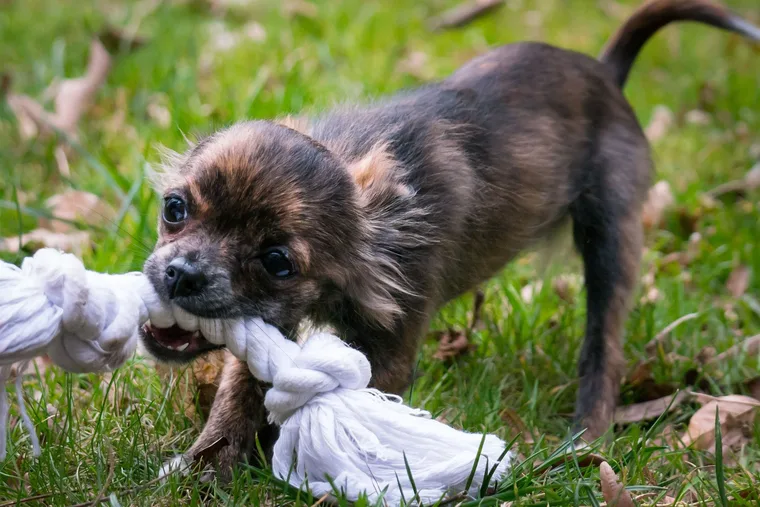
- 100% cotton rope toys: excellent for flossing action; supervise use so your puppy doesn't swallow large rope strands
- Frozen washcloths or frozen rubber toys: cold numbs sore gums — one of the most effective home remedies for teething discomfort
Materials to avoid
- Rawhide: poses a choking and digestive blockage risk, especially for puppies who gulp chunks
- Real bones (cooked): cooked bones splinter and can puncture the GI tract
- Antlers and hard nylon adult chews: too hard for puppy teeth; leave these for adult dogs
- Toys with small detachable parts that can be swallowed
Size matters
Always choose a toy sized for your puppy's current weight range. A toy that fits entirely in the puppy's mouth is a choking hazard; one that is too large may discourage chewing entirely.
KONG Puppy Toy review — is it worth it?
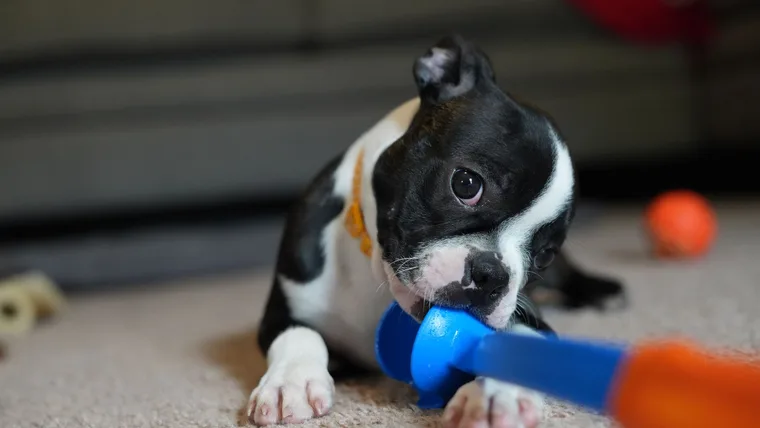
The KONG Puppy Toy is consistently one of the most recommended teething toys by veterinarians and trainers, and for good reason. Here's an honest breakdown:
Pros:
- Made from a softer, pink or blue natural rubber compound specifically designed for puppy teeth
- The hollow center can be stuffed with puppy-safe treats, peanut butter (xylitol-free), or wet food and then frozen — the cold amplifies gum-soothing benefits
- Bounces unpredictably, keeping puppies mentally engaged (reducing separation anxiety through positive distraction)
- Dishwasher-safe and easy to clean
- Available in XS through L to match breed size
Cons:
- Aggressive chewers can eventually tear pieces off — inspect regularly
- Needs to be refilled and frozen ahead of time, which requires some planning
Verdict: The KONG Puppy is one of the best investments for a new puppy owner. The ability to freeze it makes it particularly effective during peak teething discomfort (roughly 4–6 months).
Safety tip: Always use xylitol-free peanut butter or KONG's own stuffing products. Xylitol is highly toxic to dogs.
What does a good puppy dental care schedule look like?
Establishing dental habits early is the single biggest thing you can do for your dog's long-term oral health. Dental disease affects an estimated majority of dogs over age three — starting right prevents expensive cleanings and painful tooth loss later.
Puppy dental care schedule by age:
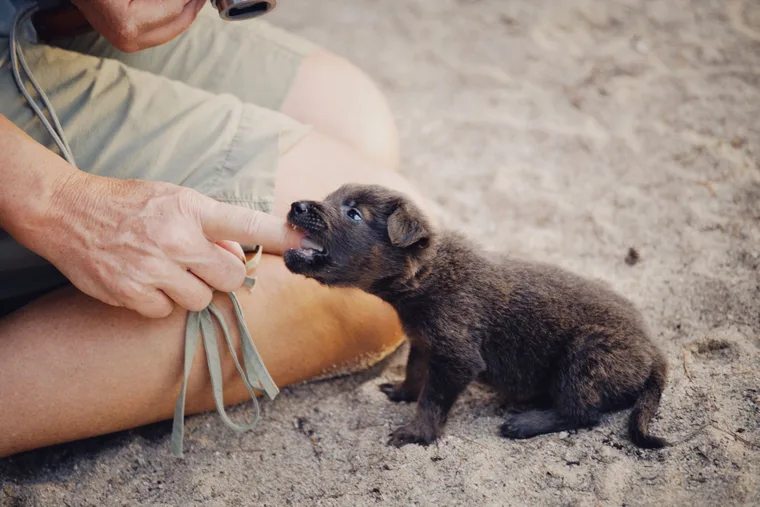
- 8–12 weeks: Begin gum massage with a clean finger. Let your puppy lick puppy-safe enzymatic toothpaste off your fingertip so they associate oral contact with something positive.
- 12–16 weeks: Introduce a finger brush or ultra-soft puppy toothbrush. Brush for 15–30 seconds — consistency matters more than duration at this stage.
- 4–6 months (peak teething): Continue daily brushing. Offer teething toys to redirect chewing. Inspect the mouth weekly for retained baby teeth.
- 6–7 months (adult teeth in): Transition to a soft-bristle dog toothbrush. Aim for daily brushing — or at minimum 3–4 times per week.
- 1 year: Schedule your puppy's first professional dental exam and cleaning assessment with your vet.
How to clean puppy teeth
- Choose a dog-specific enzymatic toothpaste (never human toothpaste — fluoride is toxic to dogs).
- Let your puppy lick the paste off the brush first to build positive association.
- Gently lift the lip and brush in small circular motions along the gum line.
- Focus on the outer surfaces of the upper back teeth — where tartar accumulates fastest.
- Keep sessions short, upbeat, and reward with praise or a small treat immediately after.
If brushing is a battle, enzymatic dental chews (look for the VOHC seal — Veterinary Oral Health Council) are a useful supplement, not a complete replacement for brushing.
If you're also working through crate training at this stage, pairing a frozen KONG toy with crate time kills two birds with one stone — your puppy settles faster and soothes their gums simultaneously.
How do you soothe a puppy's sore gums at home?
Beyond teething toys, several simple home strategies help reduce discomfort:
- Freeze a wet washcloth: Dampen a clean washcloth, twist it, and freeze it. Let your puppy chew on it under supervision — the cold and texture work together.
- Frozen fruit treats: Small pieces of frozen watermelon (seedless), blueberries, or apple slices (no seeds or core) can be soothing and are puppy-safe.
- Gentle gum massage: Use a clean finger to rub the gums in small circles — many puppies find this calming during active teething.
- Chilled rubber toys: Pop a rubber teether in the freezer for 30 minutes before giving it to your puppy.
- Consistent schedule: Puppies handle discomfort better when they feel secure. A predictable daily routine reduces stress that can amplify pain perception.
Important: Never give your puppy aspirin, ibuprofen, acetaminophen, or any over-the-counter human pain medication. These are toxic to dogs. If pain seems severe, contact your veterinarian about safe options.
Frequently Asked Questions
Is puppy bad breath normal during teething?
A mild, slightly unusual odor during teething is normal — it can result from bacteria in the mouth shifting as teeth erupt. However, strong, foul, or persistent bad breath is not normal at any age and can signal a dental infection, a retained deciduous tooth, or another health issue. If the odor is concerning, have your vet take a look.
At what age can I give my puppy a Nylabone?
Nylabone makes puppy-specific chews labeled for dogs under 25 lbs or under a certain age — these are made from softer nylon and are appropriate for teething puppies. Do NOT give an adult or "power chew" Nylabone to a puppy, as these are significantly harder and can fracture baby teeth. Always check the weight and age guidelines on the packaging.
How often should I replace puppy chew toys?
Inspect every toy before each use. Replace any toy that has chunks bitten off, sharp edges, frayed rope pieces large enough to swallow, or pieces that are small enough to become a choking hazard. Rubber toys with gouges should be retired — swallowed rubber chunks can cause intestinal blockages.
Can teething cause my puppy to stop eating?
Mild, temporary appetite reduction is common during peak teething (around 4–5 months). Softening dry kibble with warm water can help. If your puppy refuses food entirely for more than 24 hours, or shows other symptoms like lethargy or vomiting, contact your veterinarian.
Do dental chews count as teething toys?
Dental chews (like Greenies Puppy or enzymatic chew sticks with a VOHC seal) serve a different purpose than teething toys — they're primarily for plaque and tartar reduction, not gum pain relief. You can use both, but choose dental chews designed specifically for puppies and follow the weight-appropriate serving size.
When should I take my puppy to the vet for a dental check?
Your puppy's first wellness visits (typically at 8, 12, and 16 weeks) should include a basic oral exam. Ask your vet specifically about dental development at the 6-month visit, when all adult teeth should be present. A full professional dental cleaning is usually not needed before age one, but your vet will advise based on your individual dog.